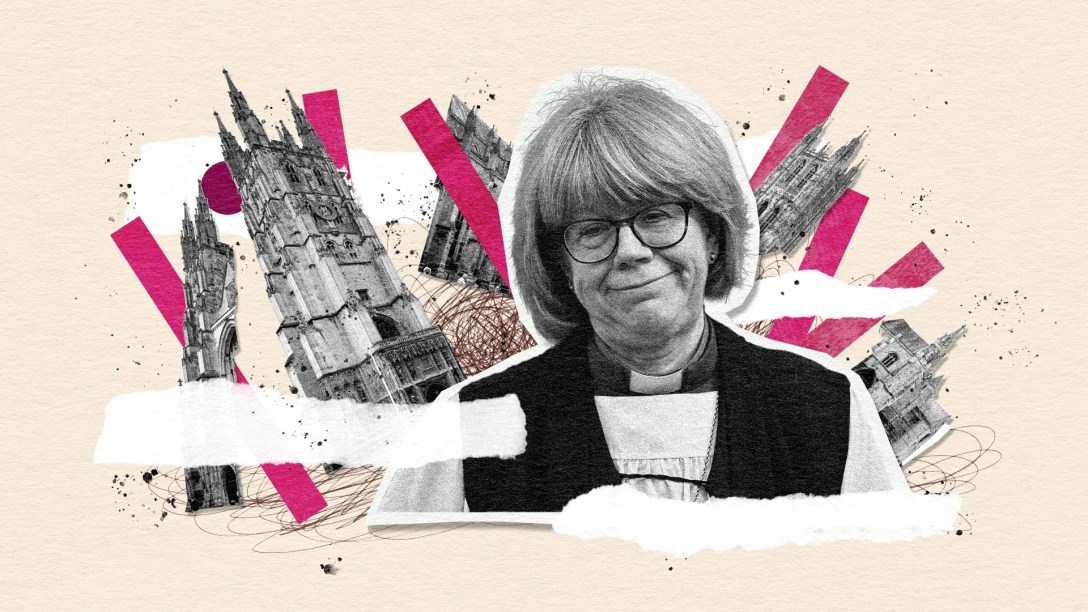
The cobbled streets are practically silent as the sun rises over Canterbury. A bin lorry reversing nearby is my only companion as I slip through the 500-year-old Christ Church Gate and onto the cathedral precinct. The building’s main entrance, through which thousands of tourists will later stream, is shut at this early hour. Instead, I and the handful of other early-bird worshippers must find a small, unmarked wooden door round the corner, before picking our way through the vast medieval cathedral to the Chapel of Our Lady Martyrdom.
There is a hushed silence as a dozen of us, bleary-eyed, trickle in for Matins. It is 7:30am on a Wednesday. Few seem to pay much heed to the vaulted stone ceiling above, the stained-glass windows, the intricately carved memorials and paintings on every wall. The service begins almost imperceptibly, as a black-cassocked priest, sitting quietly in the back row, starts to lead his tiny congregation through the prayer book. For the next 20 minutes, we murmur liturgies and psalms, and listen to Bible readings and canticles. At the end of each section, we recite in unison: “Glory to the Father and to the Son and to the Holy Spirit; as it was in the beginning, is now and shall be for ever. Amen.” And then it’s over, and we file back through the cathedral and out into the brightening morning, a single bell pealing high above us.
That afternoon, David Monteith, the dean of Canterbury and one of three priests to join the worshippers during Matins, tells me it was an unremarkably normal service of morning prayer, a service which has taken place every day at Canterbury Cathedral for nearly 1,400 years. This daily rhythm, which winds through a lunchtime communion and ends with choral evensong in the evening, is what Monteith calls the “heartbeat” of the institution. It might seem quaint, even banal, reading out the same words, day after day, to much the same tiny group of people. But for Monteith, it’s precisely this “tried and tested means of prayer” that “sustains you for the long haul”.
We may soon discover if he’s right. For today, the cathedral’s stone-flagged floors will go from empty to heaving, as thousands attend the enthronement of Sarah Mullally as the 106th Archbishop of Canterbury. It’s a historic moment for the C of E, which for the first time ever installs a woman as its chief priest. Yet more than her sex, Mullally will ultimately be judged on whether she can steady the listing ship that is her Church. She takes over an institution reeling from years of abuse scandals and dangerously low on trust from the nation it claims to serve. And even if she can begin to turn things around, it will count for little if she cannot also find a way to resolve the bitter internal conflict between liberal and conservative factions, still at each other’s throats over gay marriage. And then there’s perhaps the biggest question of all: can Mullally find a way for this ancient institution to survive in modern, secular Britain, all without losing its soul?

